Written by Jonathan Wojcik
I Am Frankelda is a Breathtaking
Masterpiece of Animated Cinema
Written by Jonathan Wojcik
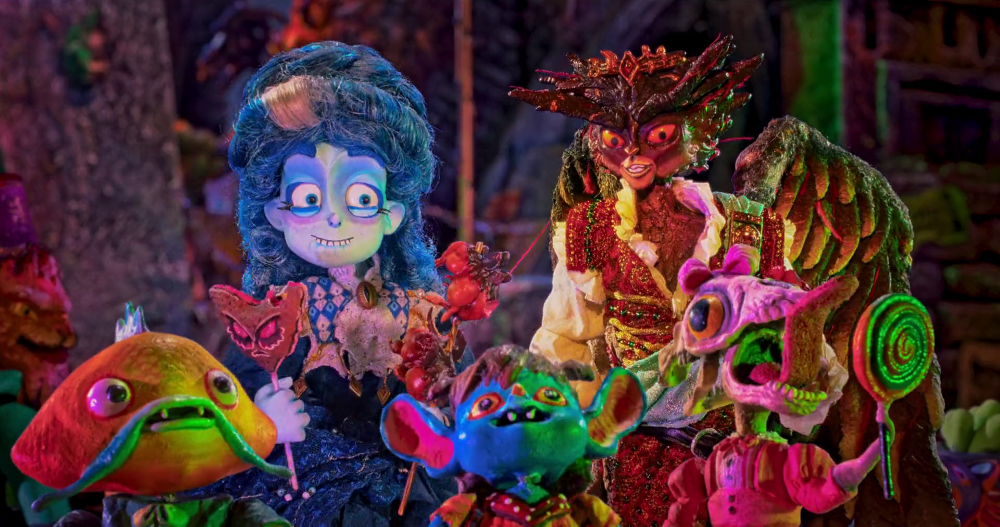
Frankelda's Book of Spooks released in 2021, a children's stop-motion horror series created by Arturo and Roy Ambriz. Each featured a different scary tale told by the ghost, Frankelda (Mireya Mendoza), who haunts an old attic, but the fifth episode delved into a backstory that would be greatly expanded upon four years later in 2025's
I Am Frankelda, which is often referred to as a "prequel" to the series, and that's chronologically the case in-universe, but for all intents and purposes, it's precisely the opposite. It works an awful lot more as a standalone story
teased by the anthology series, it is officially Mexico's first-ever feature length stop motion film, and it is also currently
the best feature length stop motion film. In general.
Outside Latin America, it was released only directly to streaming services, but if you have any means of watching it (officially or unofficially), go do that. I won't fully spoil it either way, but I am going to recap the storyline, setting and major characters, which are all going to be more amazing if you just go see the movie somewhere, anywhere, any way you can with no preconceptions.
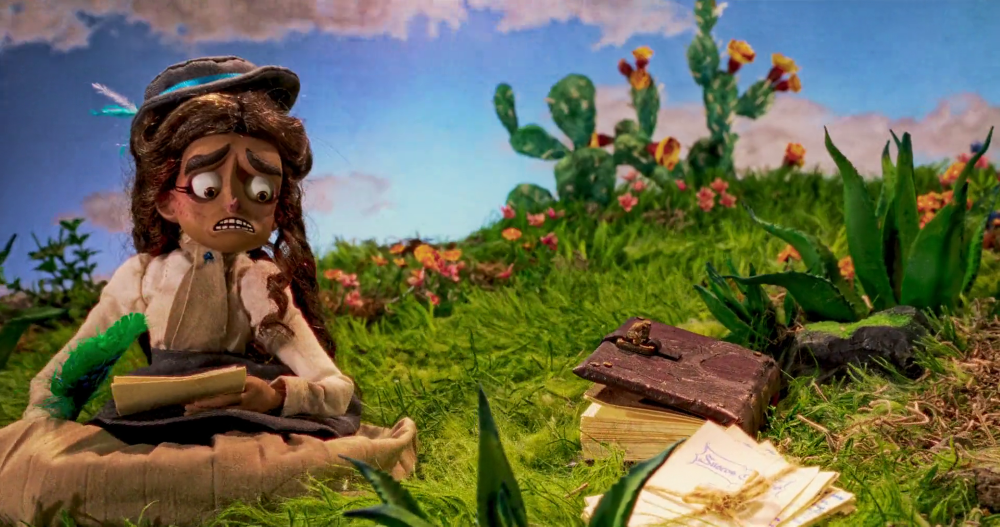
The story begins with Francisca Imelda, who grows up in 1870's Mexico under the care of her bitter, controlling grandmother. She's ostracized by other children for not just her fixation on writing, but a fixation on writing horror, and by adulthood, she suffers a period-accurate blow to her dream career when a local publisher simply isn't interested in dark, morbid literature written by a young woman.
Things change when she takes on the pen name
Frankelda, but in far more ways than she had predicted or hoped.
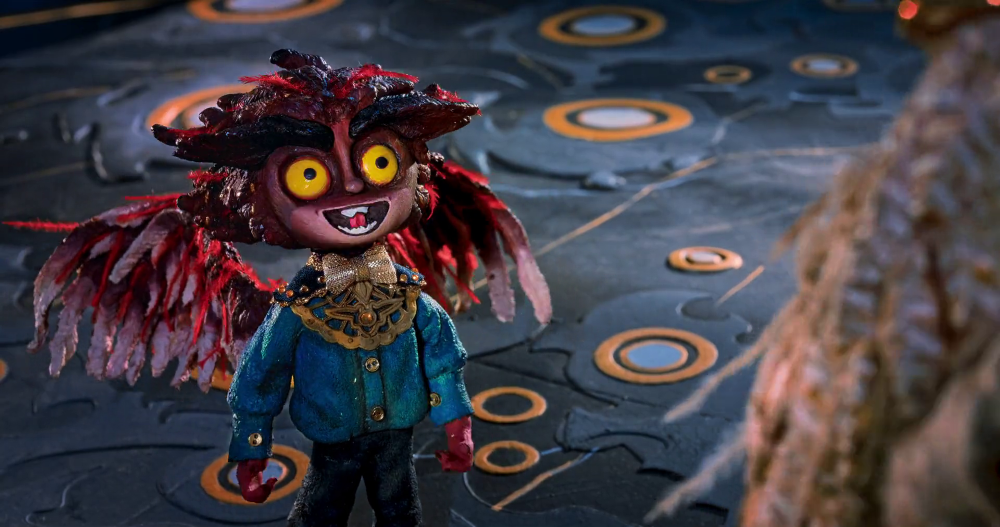
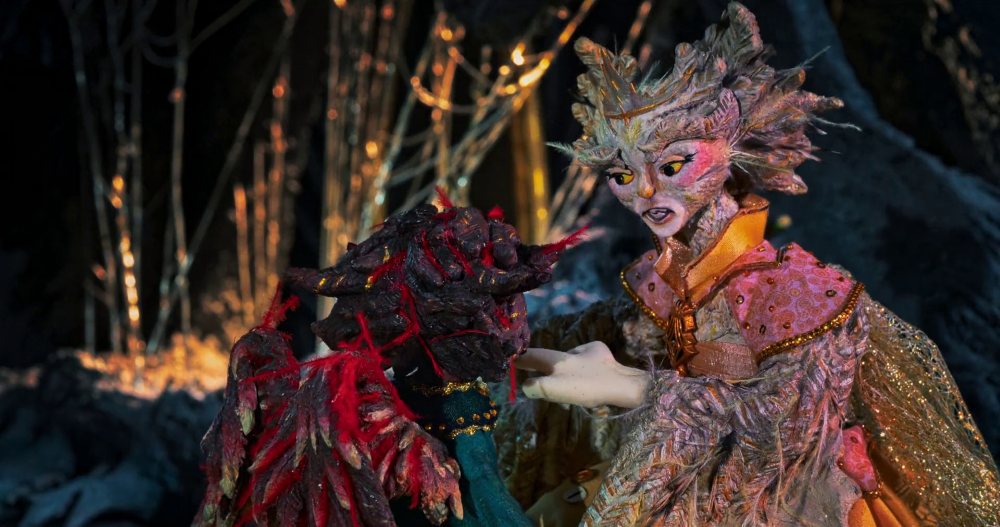
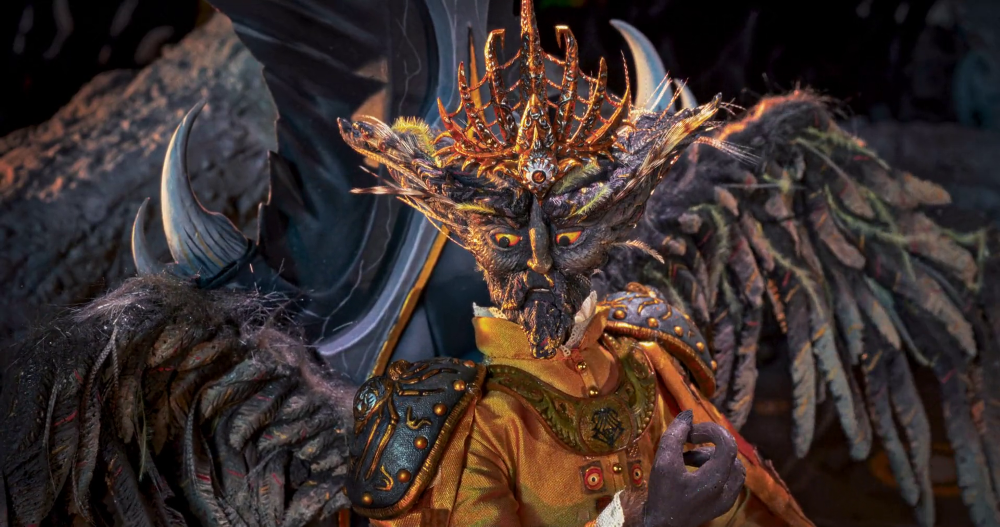
What Francisca didn't know was that even as a child, she was admired from afar by what she believed was only her own fictional character, Herneval (Arturo Mercado Jr.), an owl-like humanoid creature and prince of
Topus Terrentus, the "Land of Terrors." It's a dream-reality born from human fear, and in turn, its inhabitants creep into our subconscious to influence the imaginations of artists and storytellers.
Herneval first sees Francisca when he passes through a shining gateway into the real world, secretly listening in as the human child inexplicably reads a story she wrote about
him. Crossing over into our realm is supposed to be forbidden, however, and once he's brought home, Herneval's parents decide to finally tell him the true nature of their world.
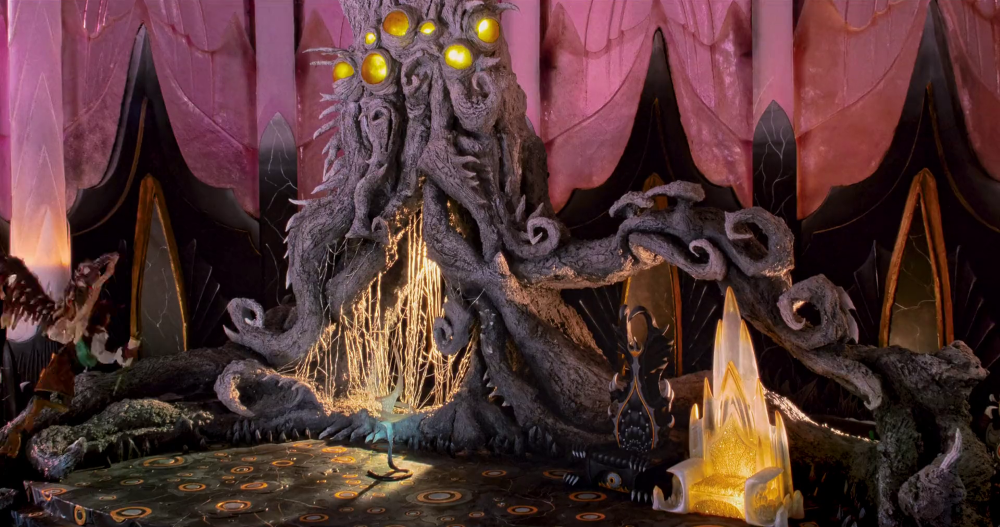
The gateway he had found was the apex of an ancient, magical instrument referred to as
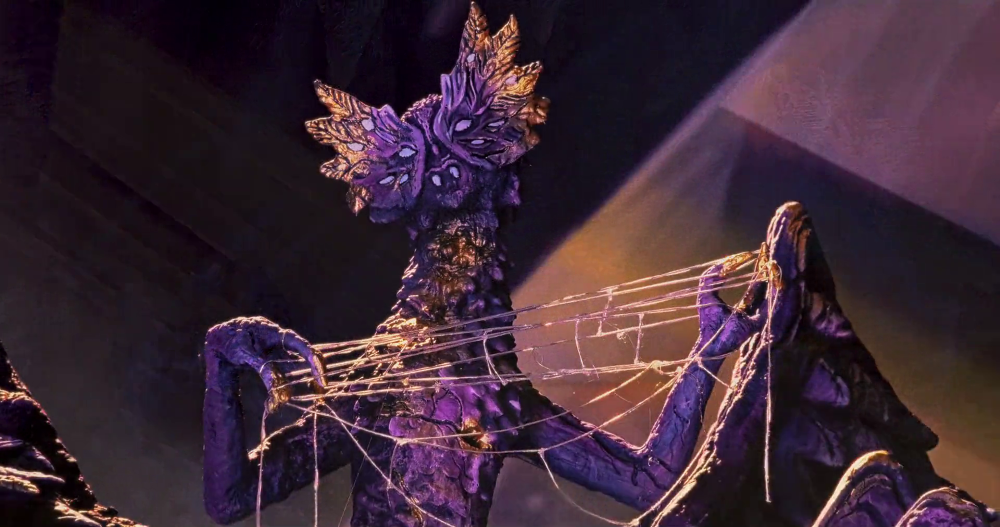
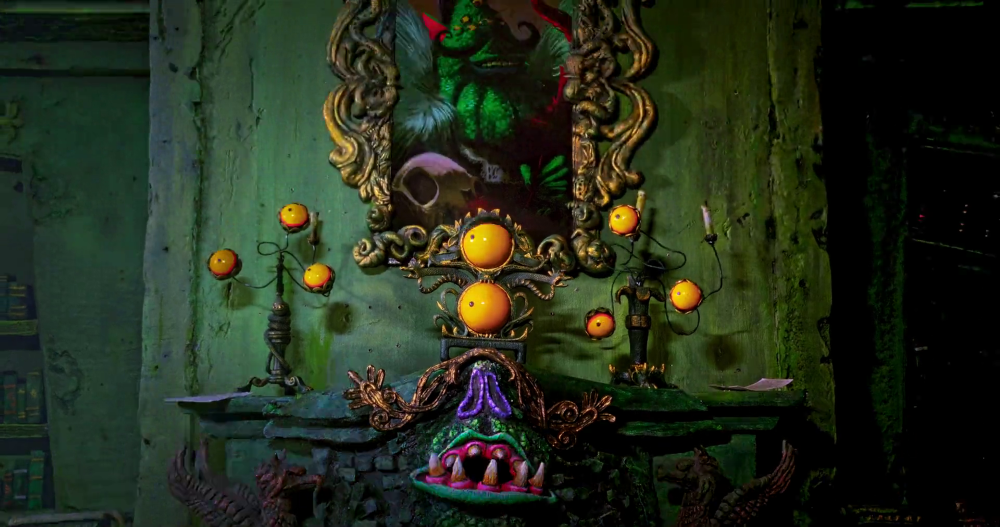
The Harpspider, though it more resembles a tangle of tree roots in the shape of a many-eyed octopus with a shining, golden web stretched between its tentacles. The sacred duty of the royal family is to strum a new song into the Harpspider's strings each and every night, an act that delivers a single, specially crafted nightmare through the gate and into the subconscious of a different child. If you didn't know anything about this movie, I'm betting this is already more epic in scale than what you were expecting this to be about, but this is just a taste of the dark fantasy worldbuilding you'll get from I Am Frankelda, so this is your last chance to leave yourself unspoiled on the rest!
Each new nightmare must be
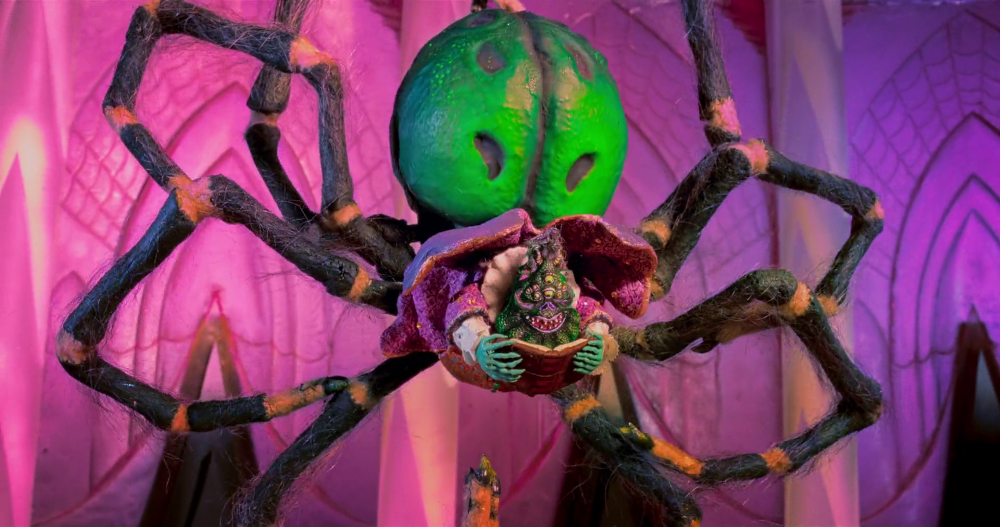
written before it can be broadcast, and this other sacred duty falls upon the Royal Nightmare Writer, currently
Procustes (Luis Leonardo Suárez). He has the abdomen and legs of an enormous spider, but his humanoid upper body is a scaly, warty, many-eyed demon with dragon-fin ears and ten-fingered hands.
In his introductory scenes, Procustes puts Herneval to bed for his busy mom and dad, and regales the young prince with the story of their kind's creation, which is also going to be even more awesome than anything you could have guessed.
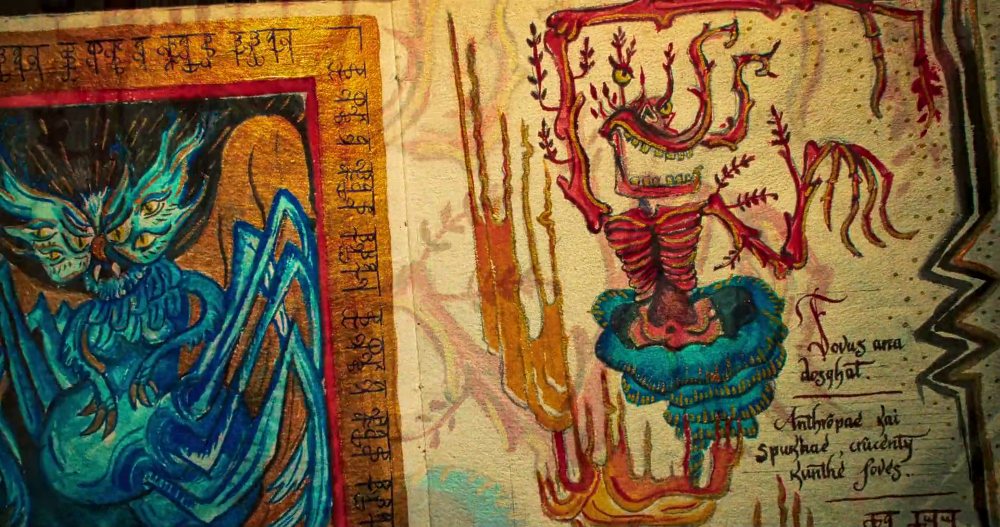
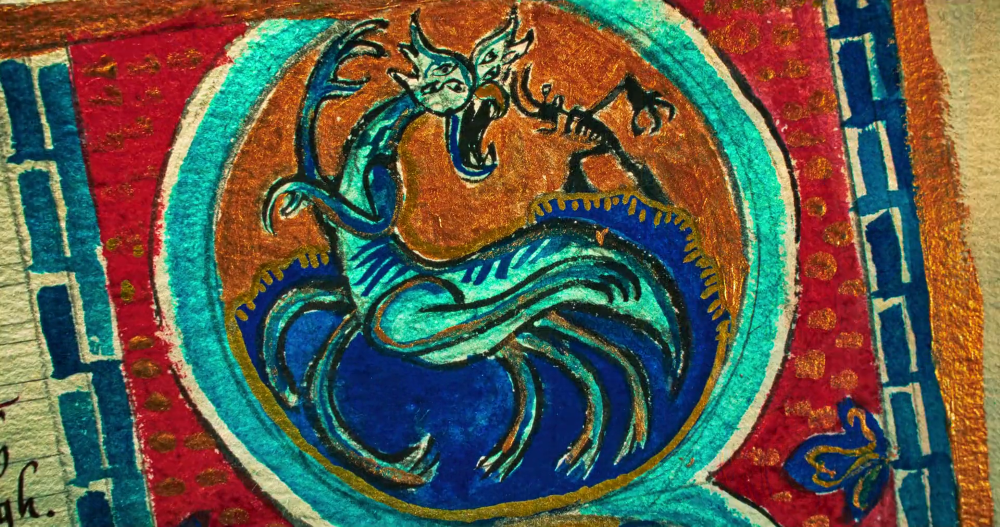
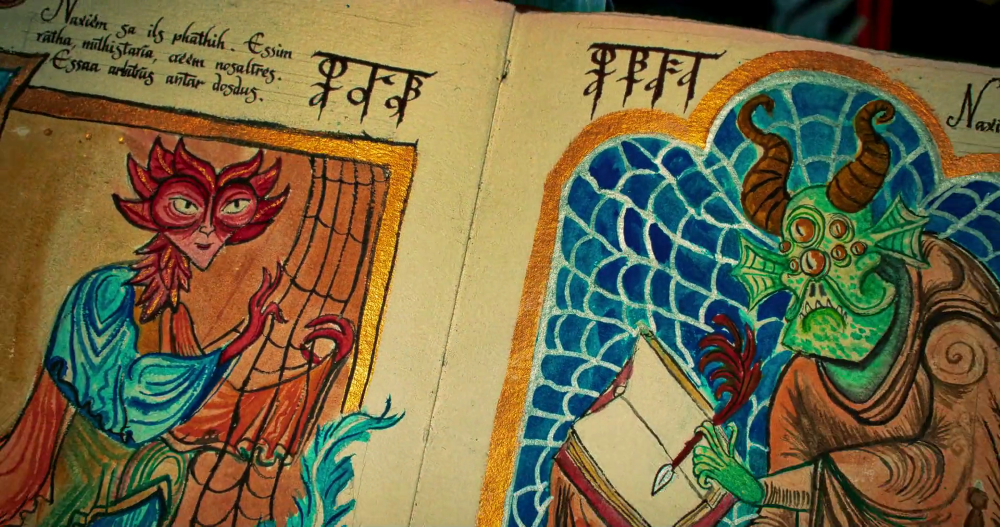
The first of all terrors was
The Great Feathered Spider, Enkara the Magnificent, who was born from "the fear of fear itself." And since human fear was what sustained her, she saw fit to subjugate humanity as a monstrous tyrannical queen, keeping herself all-powerful by keeping the mortal world in perpetual terror of the wanton suffering and death she unleashed as she pleased.
But another terror,
Ceimut, sympathized with humans and challenged Enkara's rule. When the mother of nightmares swallowed him whole, he tore her apart from the inside, and two races were born from her remains. Her feathers became the birdlike Tecothians, like the royal family, and her webs became the reptilian-arachnid
Aradithians, like Procustes himself.
Broadcasting nightmares through the Harpspider isn't just how the terrors sustain themselves: it's how they sustain themselves
without having to repeat the evils of their past. Crossing over into the mortal realm has been forbidden since Enkara's defeat, ensuring that no goblin or spirit ever harm an innocent human life ever again.
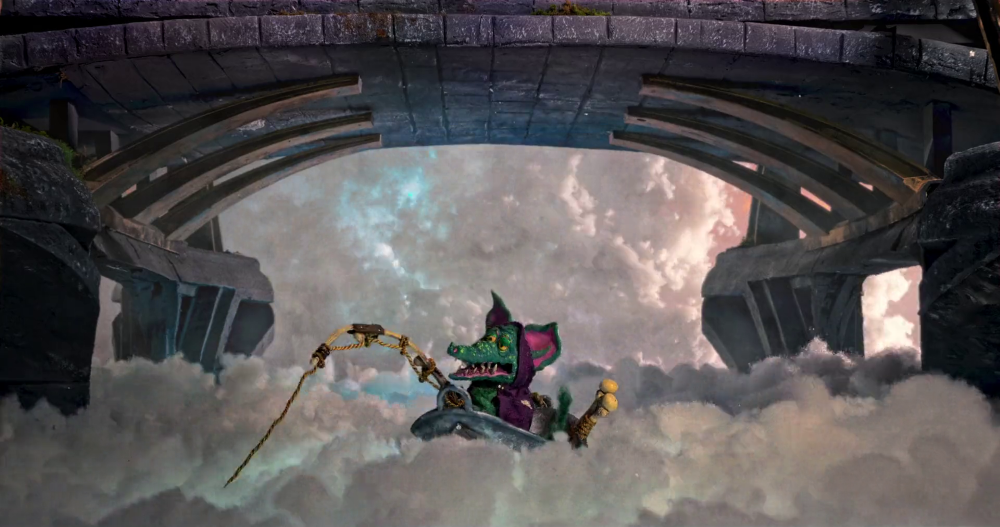
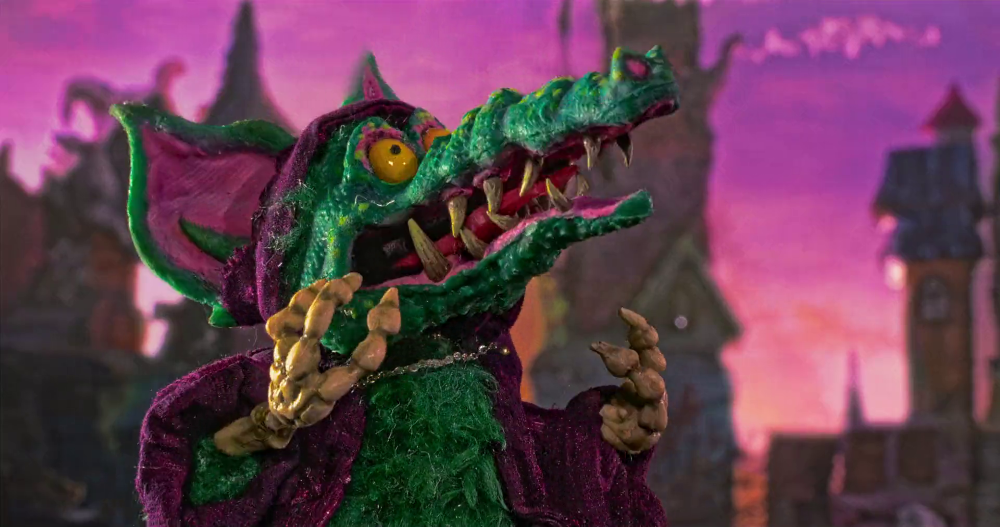
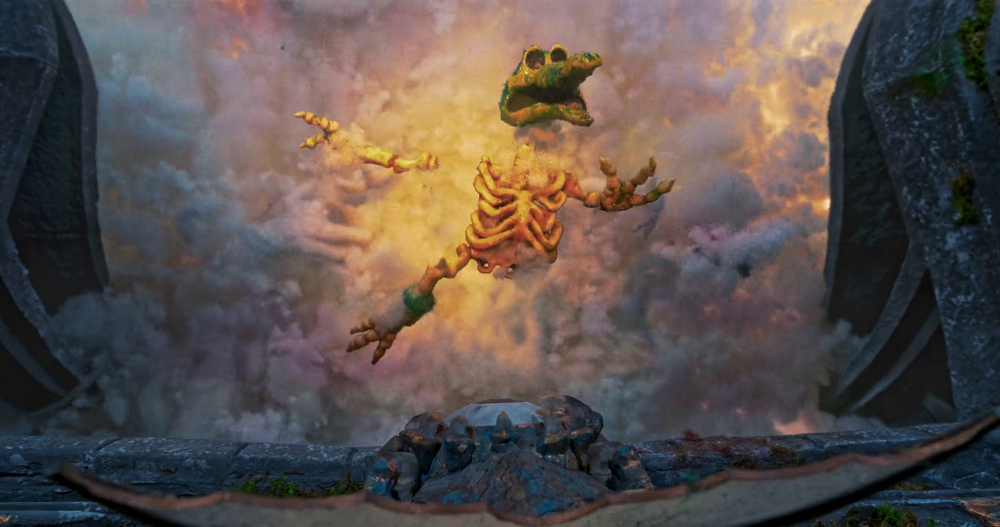
...But on that note, the narrative skips ahead to ten years later, and while humans have continued to enjoy the relative peace of never being eaten by bogeymen, the other side of the coin is beginning to pay the price. Humans as a whole are rapidly losing their superstitious nature, belief in the supernatural has waned, and the lesser terrors, i.e. the general populace or non-royal peasantry of their world, have begun to just up and disintegrate as they're starved of our delicious, nourishing collective fear. The compassionate prince can't stand to see his people suffer, and believes a solution must lie on the other side of the gate.
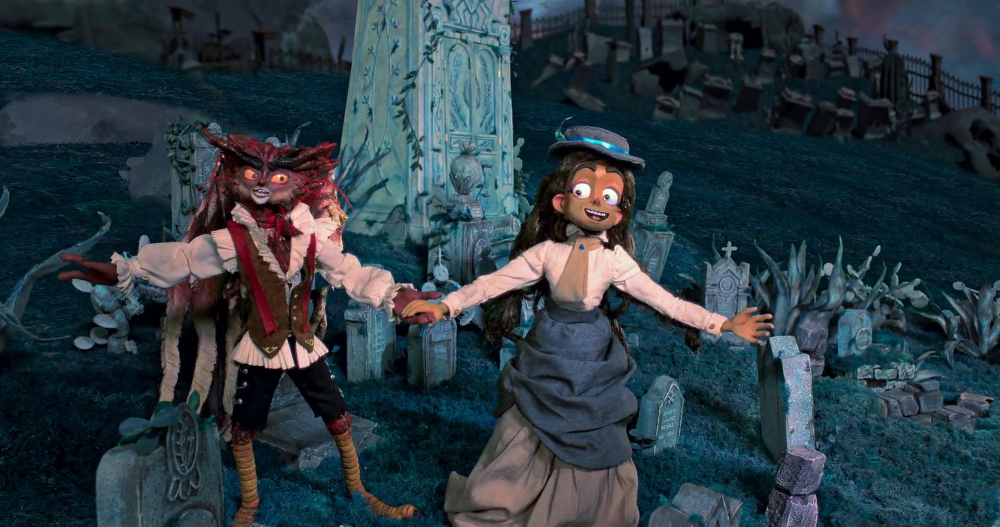
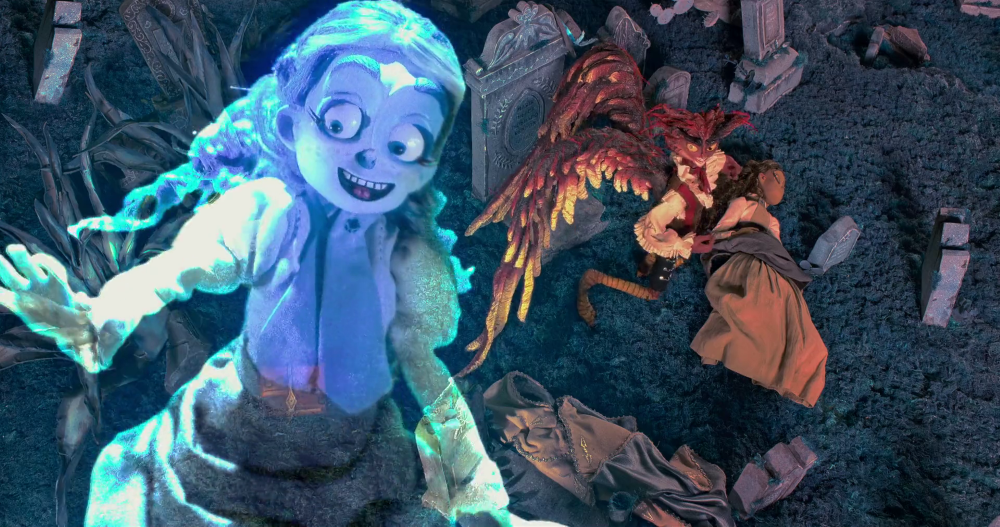
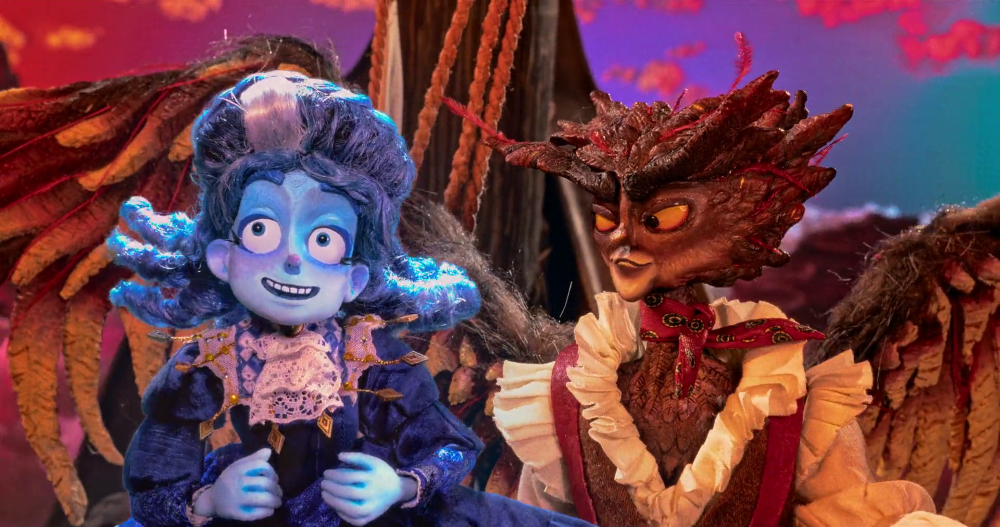
Remembering the powerful imagination of one lonely little girl, Herneval returns to Earth to meet with the now grown-up writer, finding her the very moment that she's about to give up on her passion. He's been smitten with her since the first time he saw her, and she's naturally just as smitten when her handsome harpy-man OC turns out to be real. He's already certain that her writing could be just the thing to invigorate the spirit world, and maaaybe the possibility of getting a cute girlfriend out of it influences the decision of a misunderstood young rich boy. Just maybe.
To visit his realm, however, she will have to leave the physical one behind, including her own body. Weighing these options for zero seconds, she leaves herself lying in a coma on her mother's grave and takes on her iconic blue ectoplasm look for the first time.
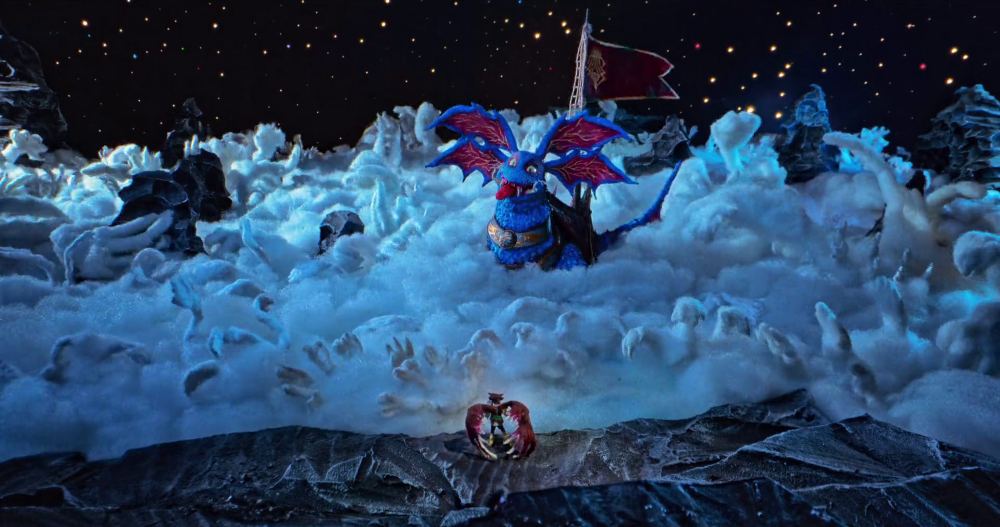
Whisked away by her literal dream man, Frankelda's new life becomes a whirlwind fantasy vacation from the bleakness of her old one. She's as in love with Herneval's colorful world as she is with Herneval, his parents accept her immediately, and EVERYONE is blown away by the creativity of her writing...though there's one palace denizen who doesn't dare admit it, and even cuts her down as an amateur who
might have the
potential to be a worthy enough
assistant, if she studies up on his self-published writing advice, of course.
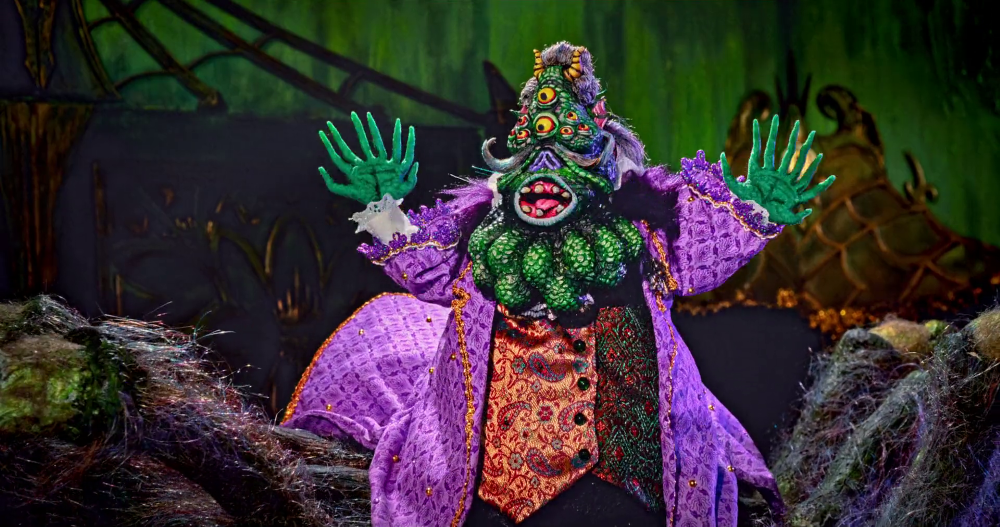
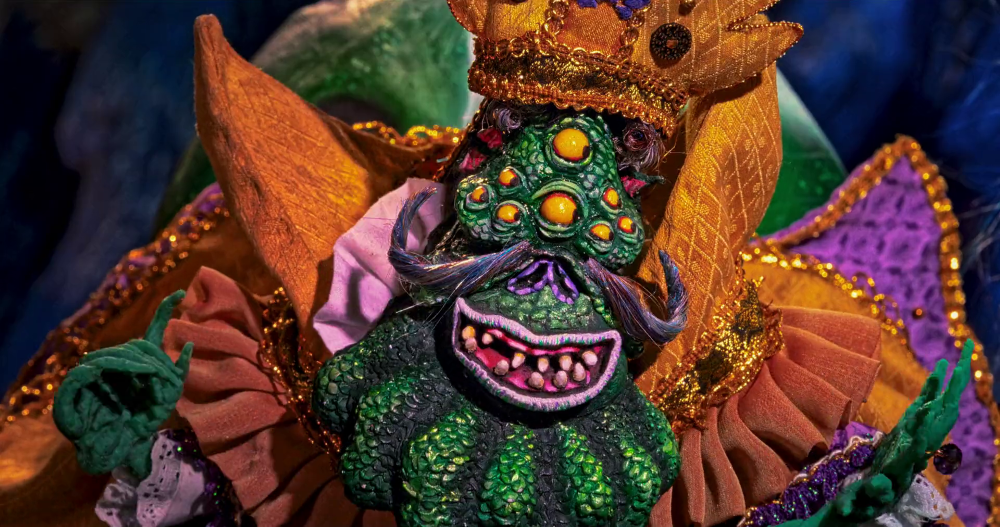
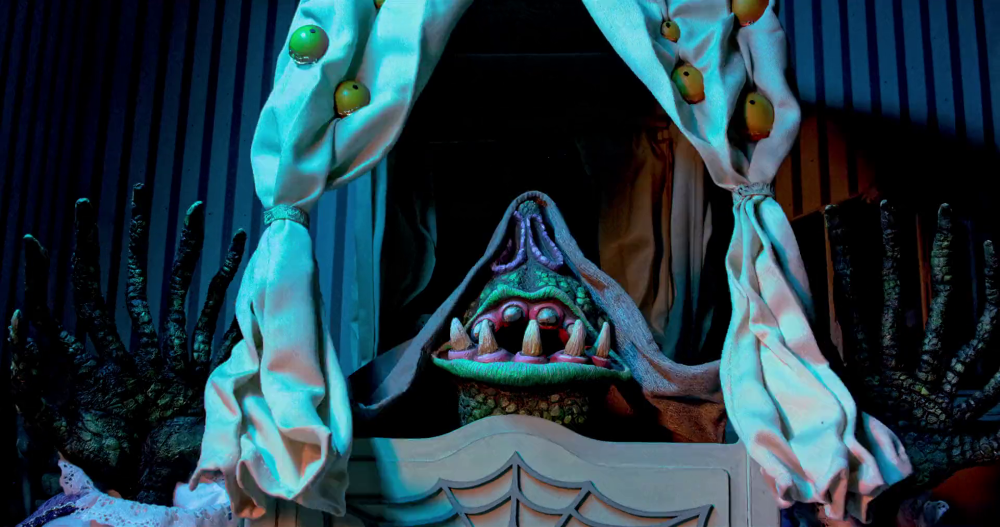
Procustes goes to increasingly manipulative and ruthless extremes to protect his position from any new blood. It's not long before he's meeting with the leaders of the nightmare realm's ruling clans to conspire against the royal family....and end the embargo on crossing between worlds. Their own is dying, after all, and they already know what worked for their mother goddess Enkara.
And who are the other clans, you ask?
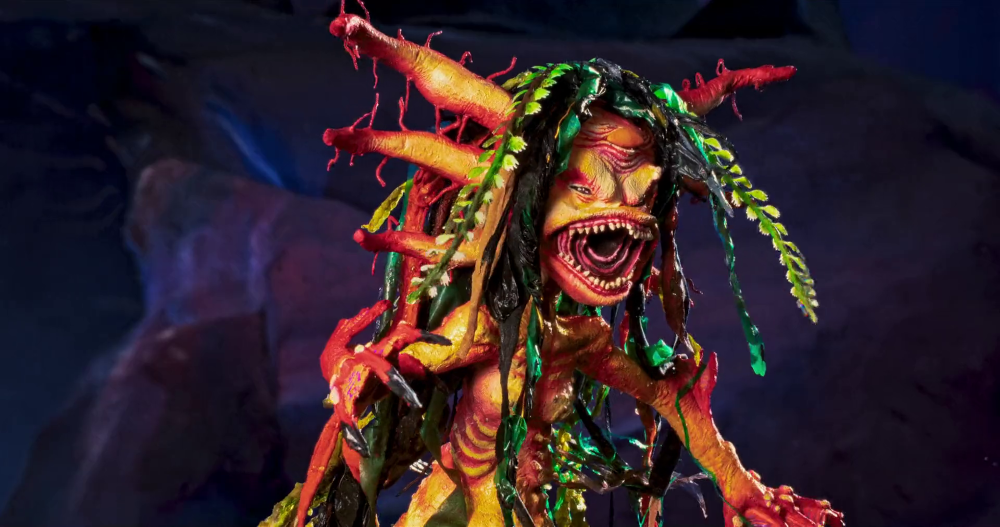
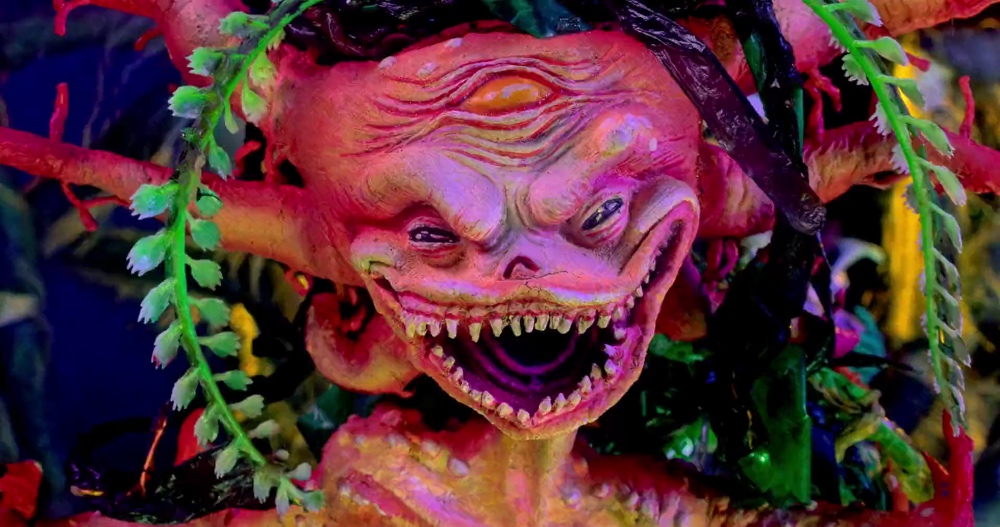
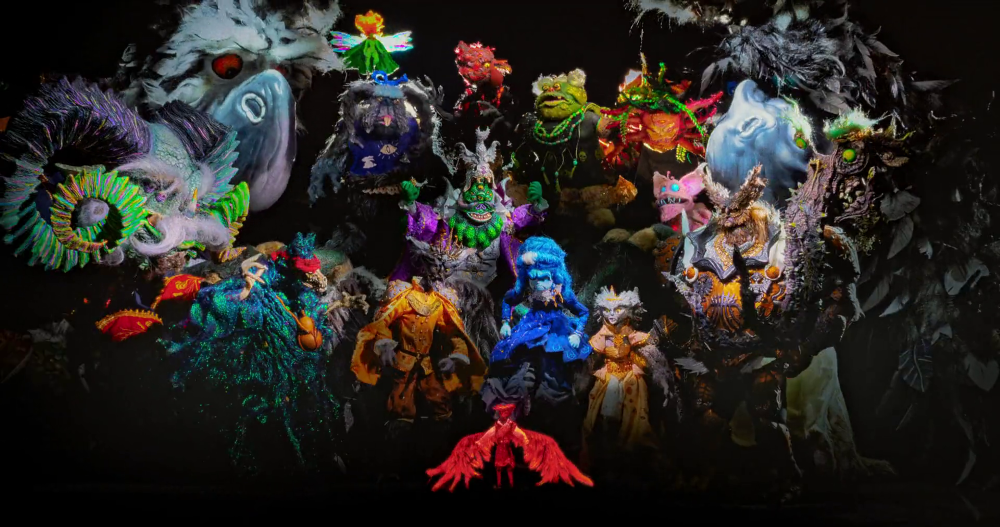
Siren is the leader of the Clan of the Depths, and even has her own story in Frankelda's Book of Spooks. She resembles a ghoulish, saw-toothed mermaid, but with the features of an axolotl rather than a fish. When she sings, anyone who meets the gaze of her third eye becomes a helpless slave.
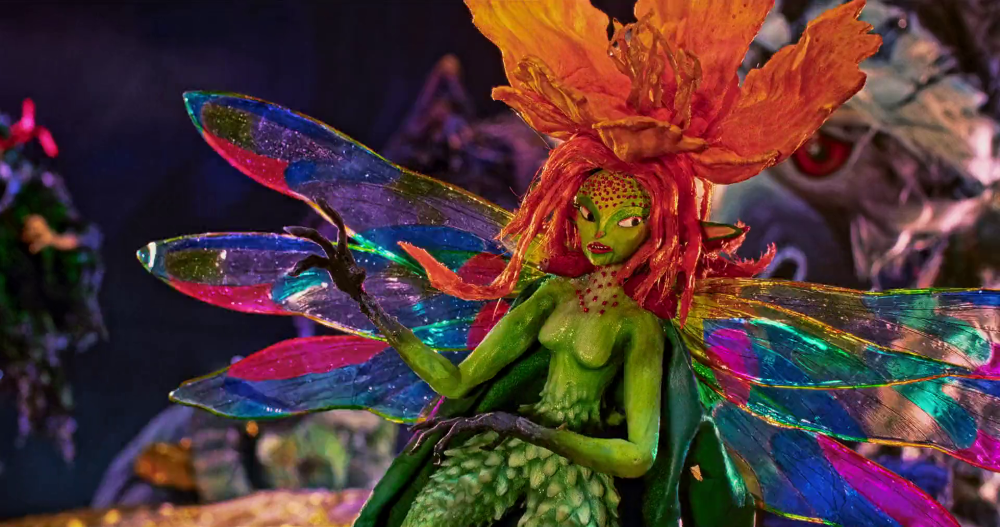
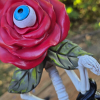
Aluxastli, leader of the Clan of Magic, resembles a tiny, six-winged green fairy made of plant matter, with a flower sprouting from her head. She commands an army of trolls and goblins, and can summon a whole squad of minions from one plant seed.
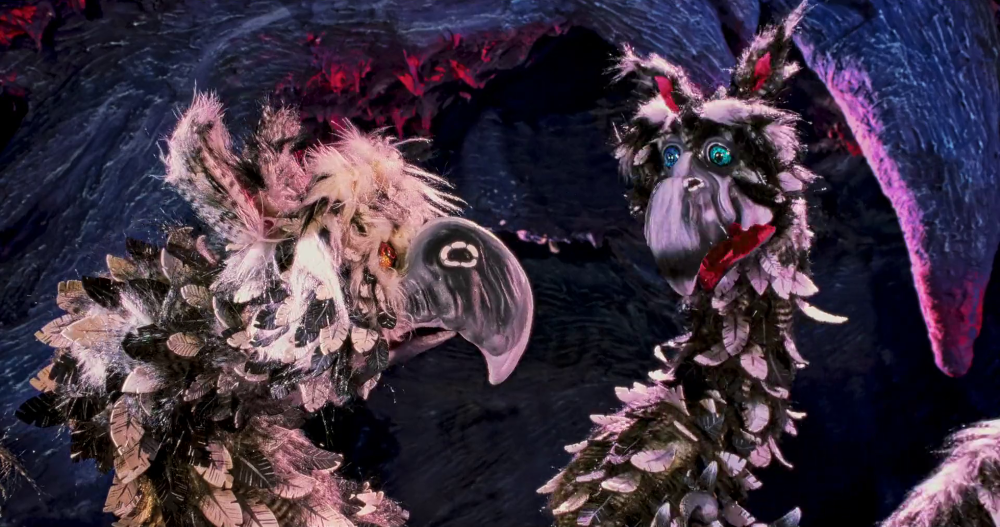
Dubium and Timet lead the Clan of the Psyche, and are two heads of the same gigantic, goofy griffinlike bird. They always seem worried, a bit reluctant to engage in violence, and they've got the kind of comical voices you expect from big, goofy looking bird characters...but we get to see them swallow a guy whole, later.
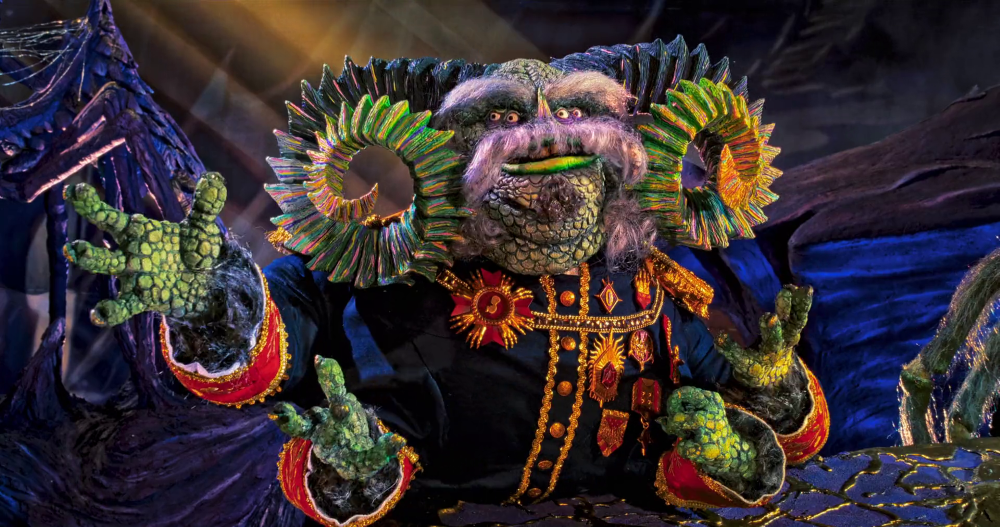
Don Coco of the "Robber Clan" is an Aradithian, like Procustes himself, but his only spider properties are having four eyes and four arms, otherwise a reptilian man with massive ram-like horns. He wears a highly decorated military jacket, and you may be familiar with The Coco as an ambiguous bogeyman figure. We don't learn much else about him, but he mentions how busy he is, and comes across as a dictator figure.
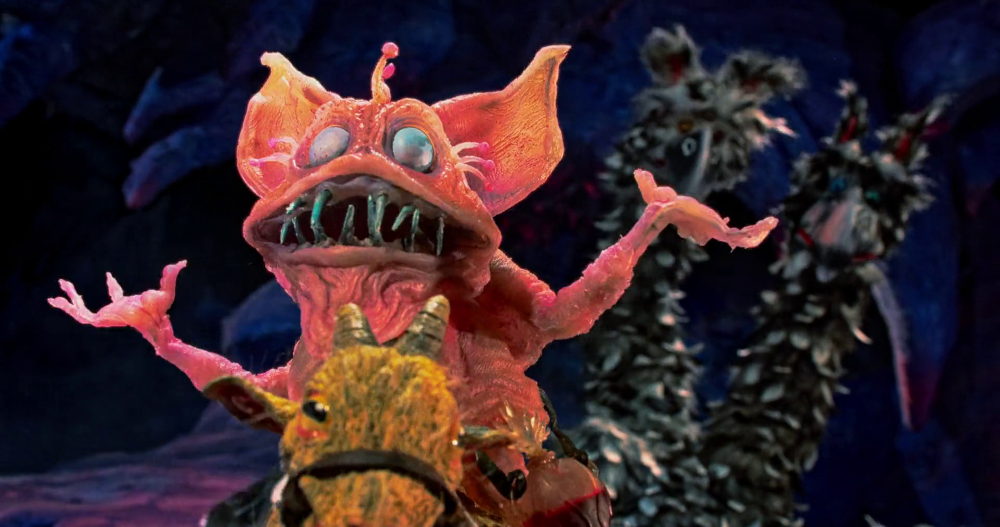
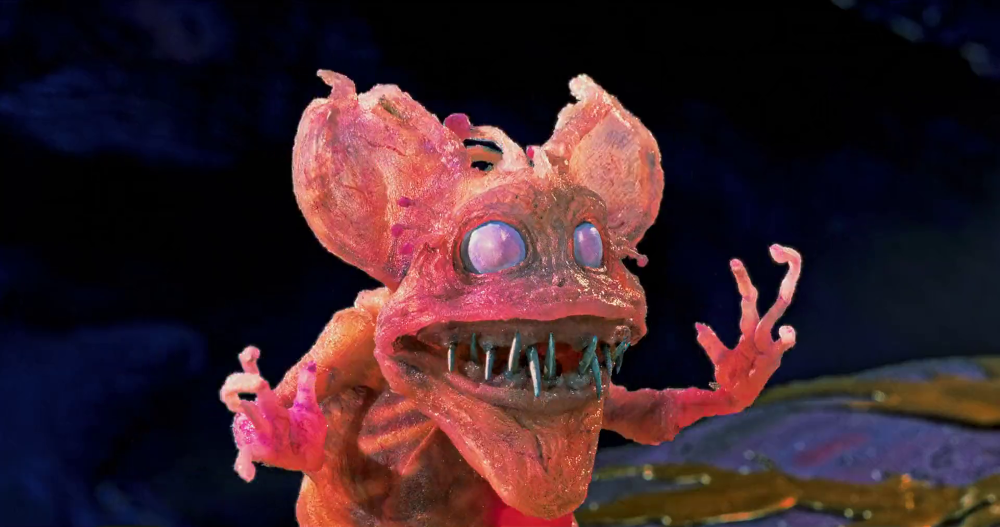
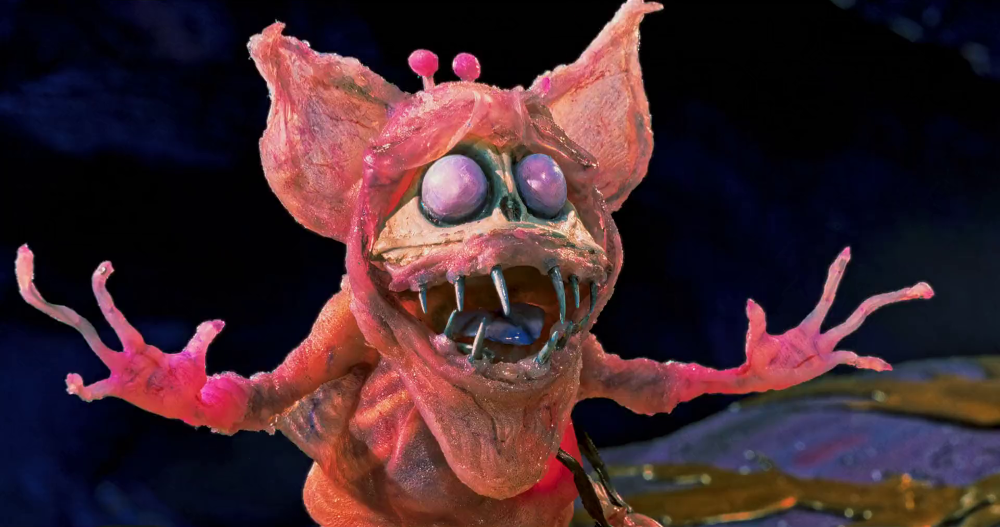
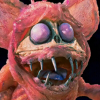
Bloodsucker is the leader of the Clan of Darkness, but he's just a little tiny guy! An adorably nasty, translucent pink goblin with the glassy, bulbous eyes and long-toothed jaws of an abyssal fish. He rides an equally tiny, chubby goat he seems to love dearly, and has a voice like a small child.
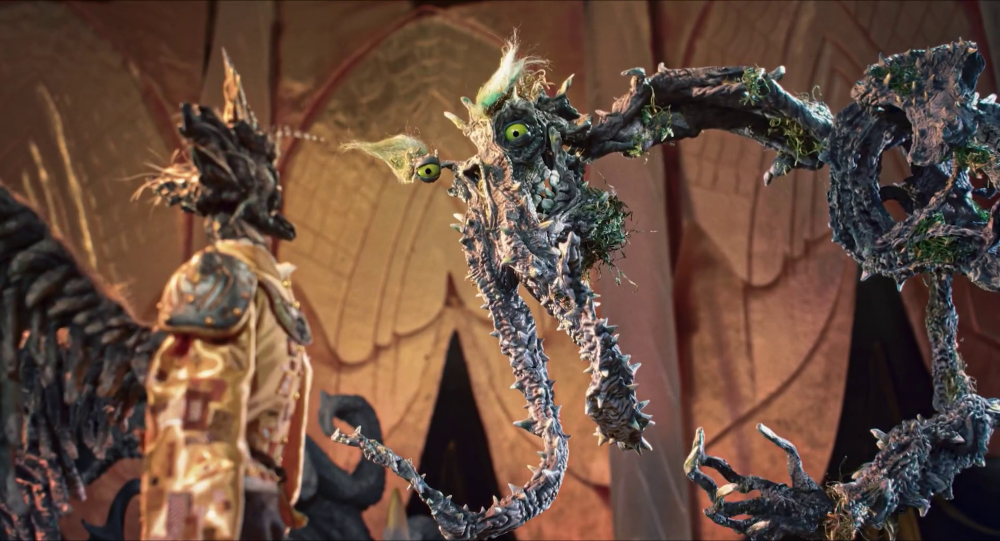
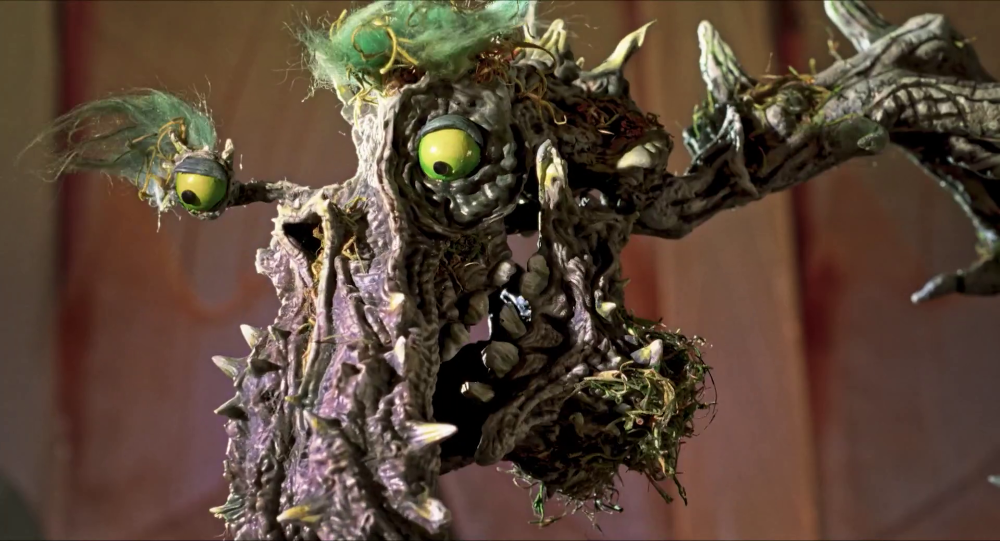
Ceimut, of the "Primal" clan, is the very same being who once saved humanity and defeated Enkara. He's also seen earlier in the film, meeting with the royals as their dearest friend, and again meeting with Frankelda. He's a kind, grandfatherly sort of figure, and a voice of reason among the other leaders.
He also has one of the coolest designs in the setting. A towering, skeletal figure formed from rotten, twisted wood, encrusted with moss and bristling with thorns, His head resembles an animal skull with two mammoth-like woody "tusks," and his left eye swivels on a crablike stalk. He wouldn't look out of place as a Great One in Bloodborne, but he's the nicest guy here!
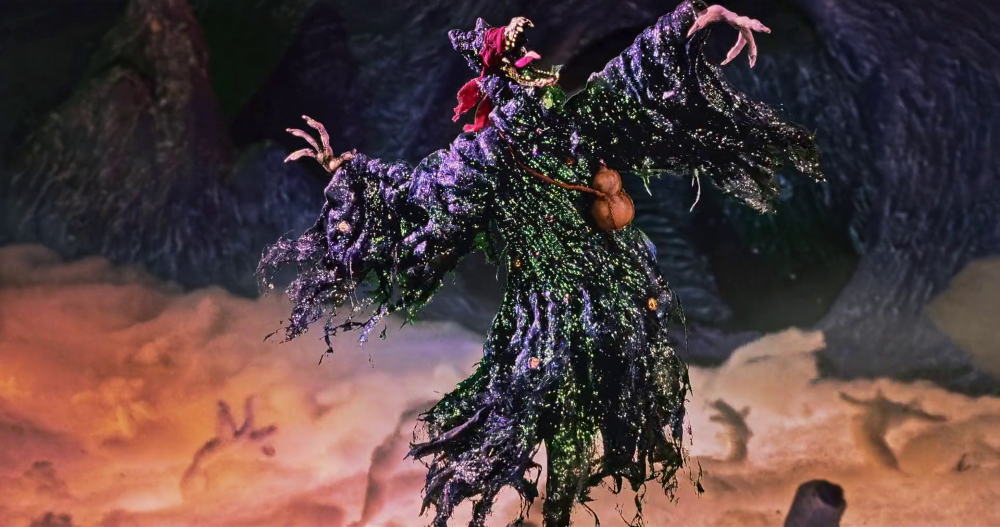
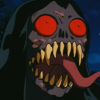
That leaves us to introduce Lady Coyote of the Clan of Death, the absolute most terrifying character we're ever shown. She's a flying, shrieking, snarling wraith in tattered black robes, with a blindfolded coyote skull head. She's accompanied by a chorus of phantasmal wailing, and reality seems to destabilize around her.
But Coyote's only concern is with the flow of life, and if you'll remember the story of Enkara, you'll remember this isn't about merely "scaring" humankind. This isn't
Monsters Inc. The clans are debating whether they should get to do as they please to strike fear into the mortal world again; whether they should be allowed to
stalk and prey upon mankind like the monsters and demons of ancient times, or even invade and conquer us if that's what it takes.
Life and death are, evidently, only in proper balance now that Enkara's ways have been left in the past, since Lady Coyote is the only leader who sides with Ceimut in humankind's defense.
With escalation this dire, you might think this is somewhere around the climax of the whole story of I Am Frankelda, but we've actually covered less than the first half of its total runtime...and not everything is neatly concluded by the end, either, nor concluded by the "sequel" stories of the 2021 miniseries. The film still works, like I said, as a self-contained narrative, but it leaves itself wide open for an even bigger sequel, multiple sequels, another episodic series or any other expansion you can think of, should any (hopefully) come to pass, and I'm ending my plot summary here.
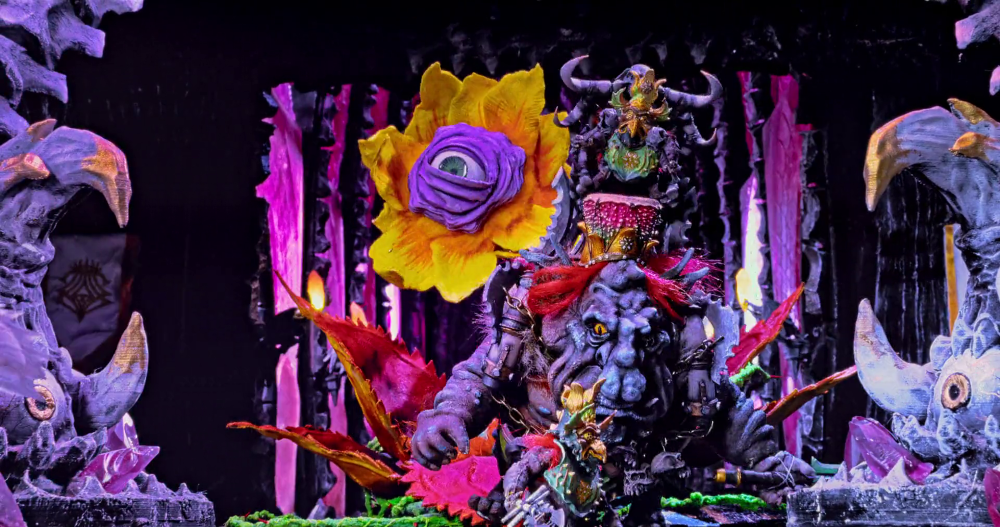
I Am Frankelda draws unavoidable comparisons to The Nightmare Before Christmas, Corpse Bride and Coraline, but in my opinion - even as someone who grew up on that first one - it leaves any other stop motion film project completely in the dust. Its style is bolder, its setting is grander, its backstory darker and its visuals wilder. We see an ocean of sentient clouds with writhing arms, a Gigeresque fairy tale castle, giant eyeballs staring from crooked landscapes of wrought iron and a psychedelic city of candy-colored goblins.
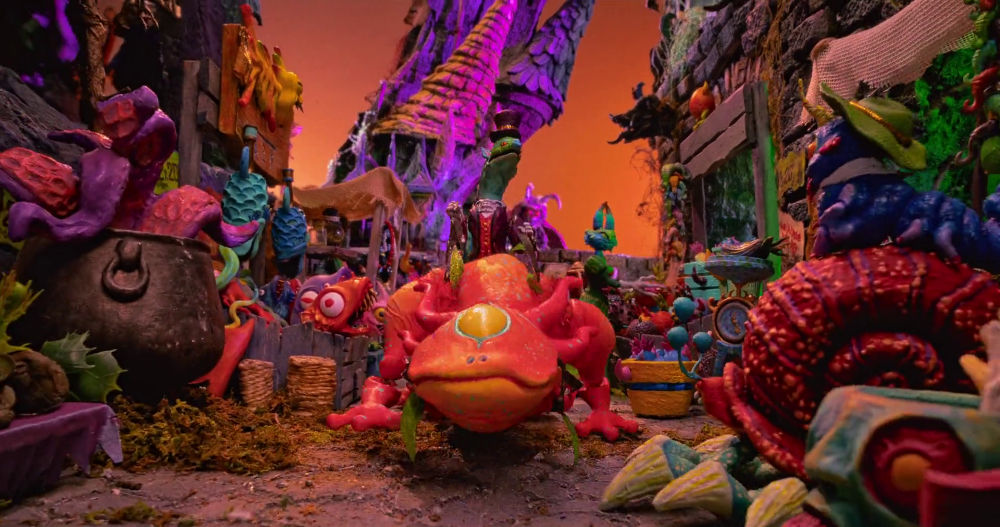
A single, sweeping shot of the nightmare city, less than a minute long, even shows off a wider variety of background creatures than the entirety of Jack Skellington's Halloween Town. A traffic accident is narrowly averted, at one point, between a giant axolotl ridden by a moray eel in a top hat, and a giant monstrous snail ridden by a centipede in a cowboy hat. There's a giant purple moth-bat hybrid, an insectoid woman with a mouth in her chest and a little girl with a bubblegum pink horse's skull for a head, to name a handful of the extras you can miss in the blink of an eye.
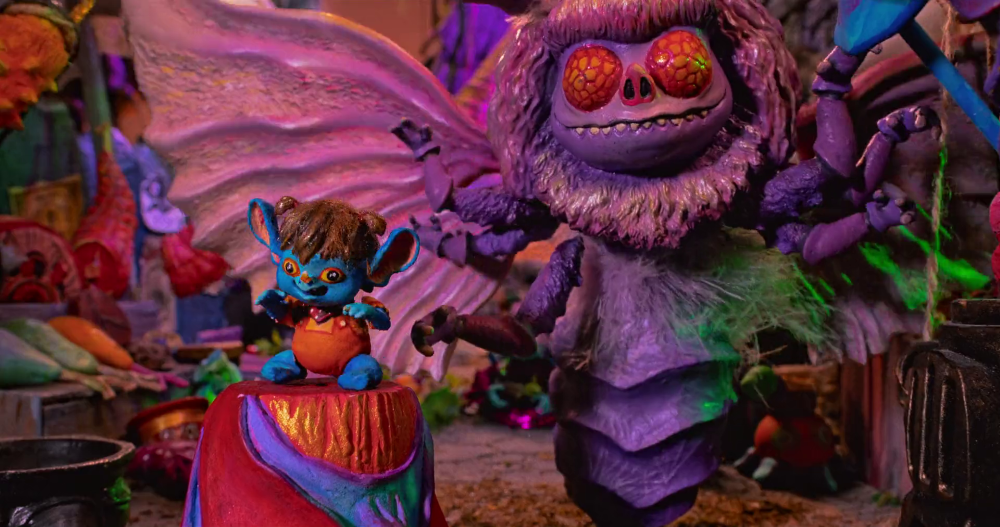
Our glimpses of this kingdom are as memorable as they are tragically
short. An absolutely staggering number of fully animated characters
share mere seconds of screentime, and it's typical of the
dizzying amount of creative work that was crammed into every last
element.
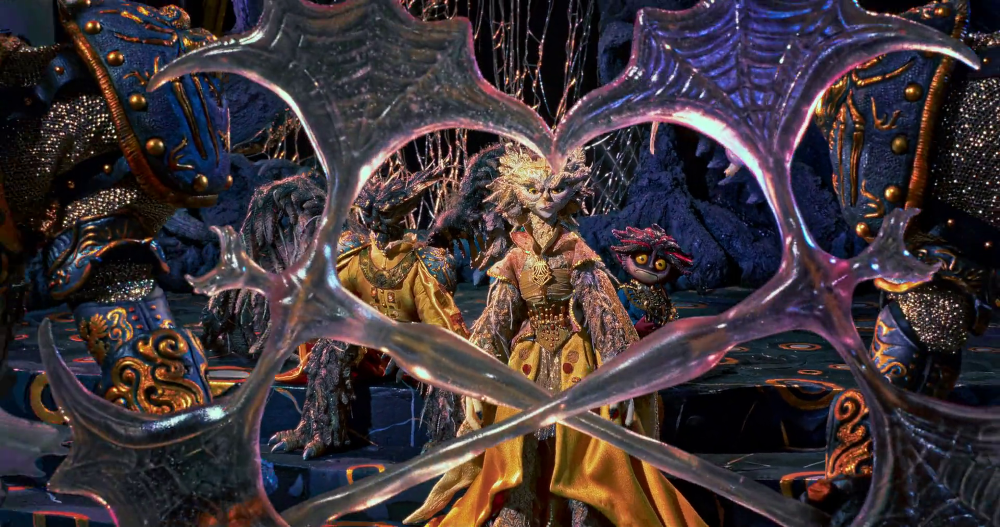
Look at even the signature weapons of the royal guard. Transparent, crystal axes in the shape of nude Telecothians with fanning, spider-web gargoyle wings as the blades.
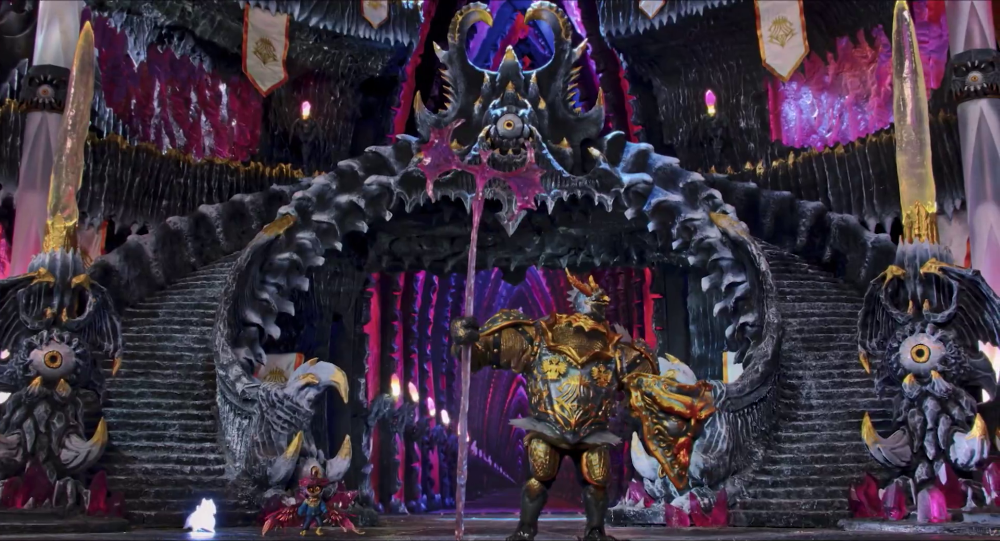
Look at the royal palace itself, where each and every piece of the architecture looks like a monster's claws, teeth and bones.

I'm not saying other, previous stop motion features aren't stunning technical achievements as well. Even my least favorites among them display heartfelt imagination, dedicated craftsmanship and grueling amounts of labor, but everyone involved in this one seems to have poured their hearts and souls into making every last little prop as cool and unique as it could possibly be, and show off the full extent of their individual talents in every way that they could.
It isn't even always just a stop motion film. In one shot, Herneval and Frankelda are symbolically represented as something like two chess pieces, "dancing" together with what were probably rotating magnets under the set. And in a grand, extensive villain song involving all seven clan leaders, roughly half the on-screen footage is animated in oil paints, every frame an individually hand-painted canvas.

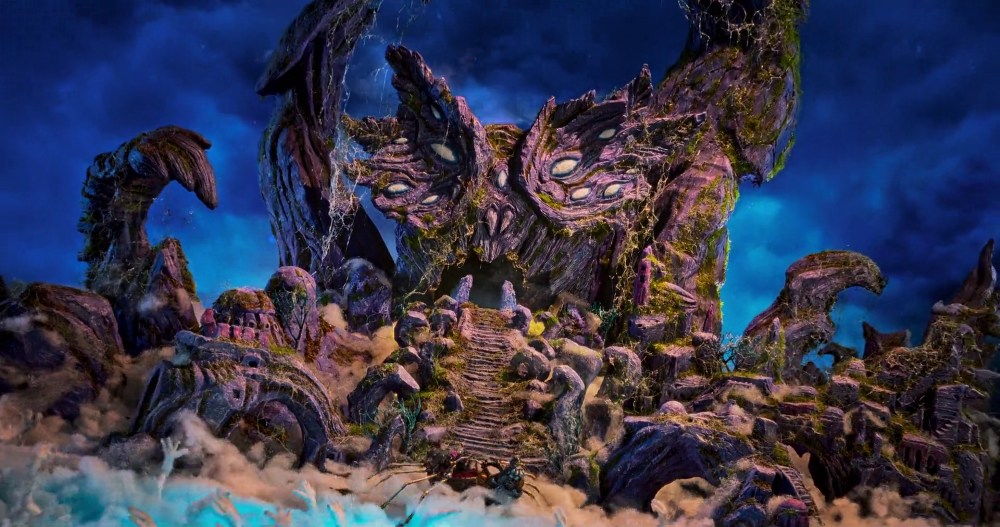
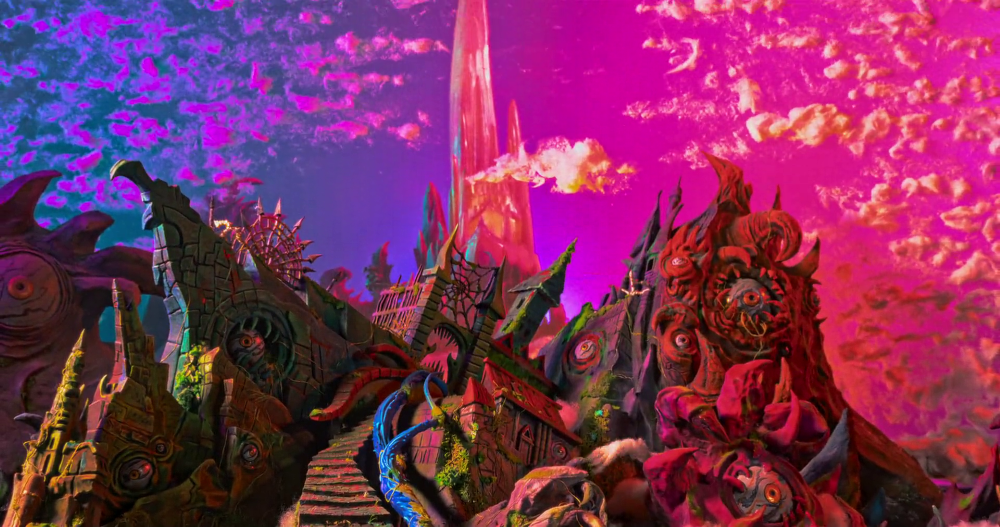
There's also a great deal to be said about the overall
scope of this movie. Its largely Burton-produced or Laika-animated predecessors have told relatively smaller-scale stories, their events often limited to one small set of relatively ordinary characters in one suburban neighborhood. Even exceptions, like
Nightmare, don't get quite as adventurous as Frankelda's all-original dark fantasy universe, closer in creative ambition to
The Neverending Story or Jim Henson's
The Dark Crystal, with a grim, high-stakes threat and truly menacing villains to match.
The writing and characterization, too, are just as well executed, at least in the original Spanish. I haven't watched the dub, and I'm not sure I would want to, because the original performances are emotionally stronger than I'm used to in any recent animated films, stop-motion or otherwise, and the personal dilemmas of each character feel more complex. Procustes, especially, is more than just a conniving bastard; the choices he makes aren't excusable, but it's easy to understand his reasoning. He is, after all, only half of the system that keeps their world alive, yet only
his work is suddenly under fire for a disaster that has already cost lives, only his position is being encroached upon as a result, and by a wealthy, powerful prince's brand-new human lover, of all things. Would you be pissed? I'd be pissed. I think we would all be pissed.
His response is reckless, selfish and destructive, but he is given clear reason to feel disrespected by a monarchy that has been demonstrably failing to explore any other solutions or shoulder any blame themselves, and even as he incites an uprising of man-eating monsters for his own glorification, it's hard not to sympathize with his simple, deeply human fear of being rendered irrelevant. No one explicitly threatens to replace him, but no one reassures him that they aren't doing so, either, and being replaced hurts.
This is an intentionally nuanced framing in a narrative that does not ignore the flaws of its protagonists, either, building to a bittersweet finale in which their own actions are more or less punished by the cosmos. In the end, every side seems to know that they could have and should have done better, but we see that love survives even the most hopeless circumstances, and that ultimately nothing can take away their hope for a better future.